The Differences Between a Substation vs. a Transformer
Substations and transformers are both critical pieces of electrical infrastructure. Each term refers to different components with distinct purposes within a facility’s power architecture. Understanding the differences between these critical components is essential for keeping them functioning properly and ensuring power system stability and reliability.

To begin, it’s important to understand exactly what an electric substation and an electric transformer are before establishing the differences between them, and our team at Blue Runner Switchgear is here to dive into it.
What Is an Electric Substation?
At the very basics, a substation is a location where transformation or switching occurs at a facility. An electric substation is where grid-supplied power is conditioned before being distributed throughout the plant or facility. They serve to transform elements like:
- Voltages.
- Condition power.
- Convert current.
They’re made from several components, each serving a unique purpose:
- Busbars to conduct current throughout the electric substation.
- Transformers to convert the incoming current to what the equipment and the facility need.
- Safety equipment, such as circuit breakers, switchgear, and surge arresters, to protect against faults, short circuits, overloads, and other issues.
Since electric substations are responsible for safely managing, transforming, and delivering power throughout a facility, their proper maintenance is critical. At Blue Runner Switchgear, we offer NETA-certified substation maintenance and testing to keep yours running safely and smoothly.
What Is an Electric Transformer?
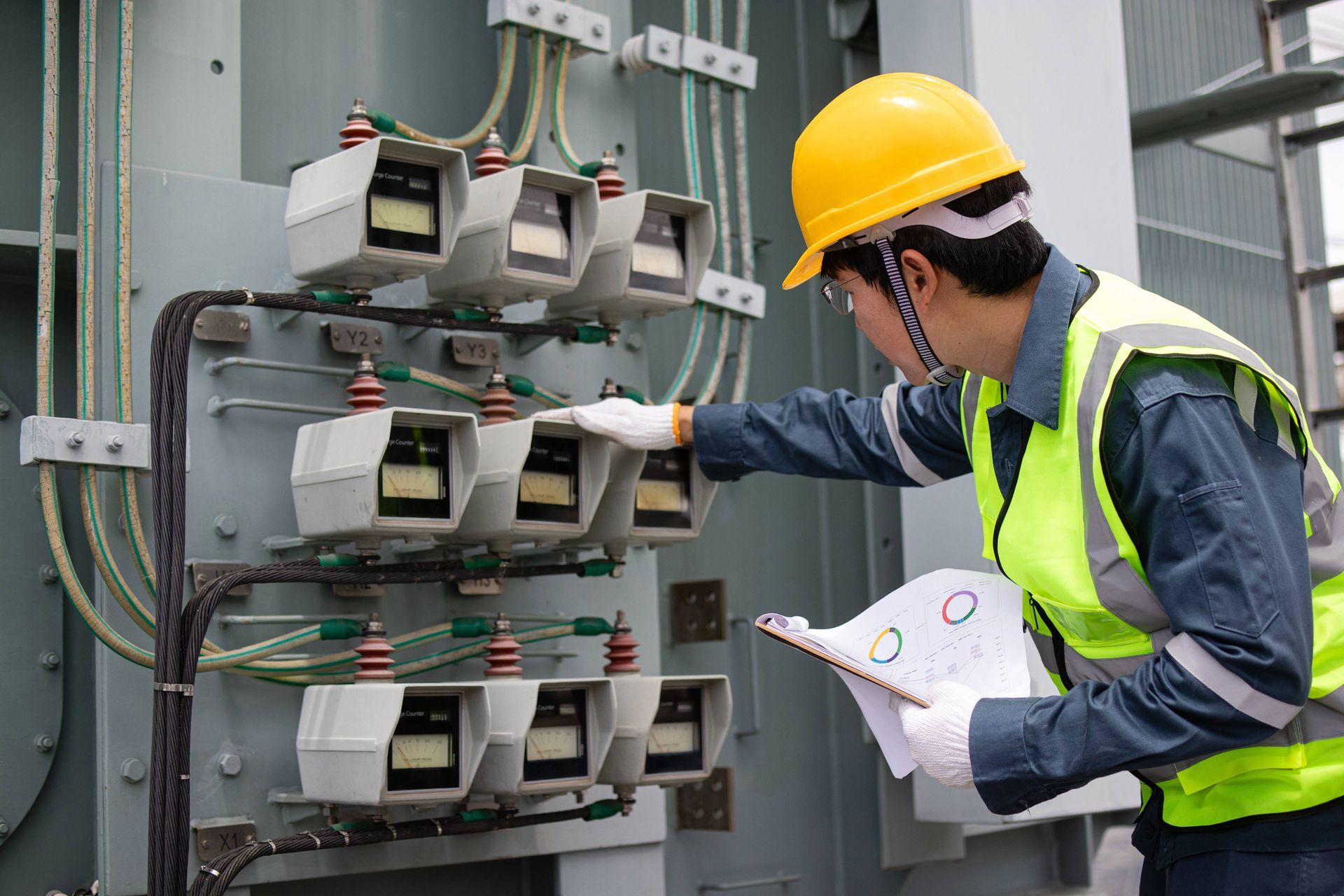
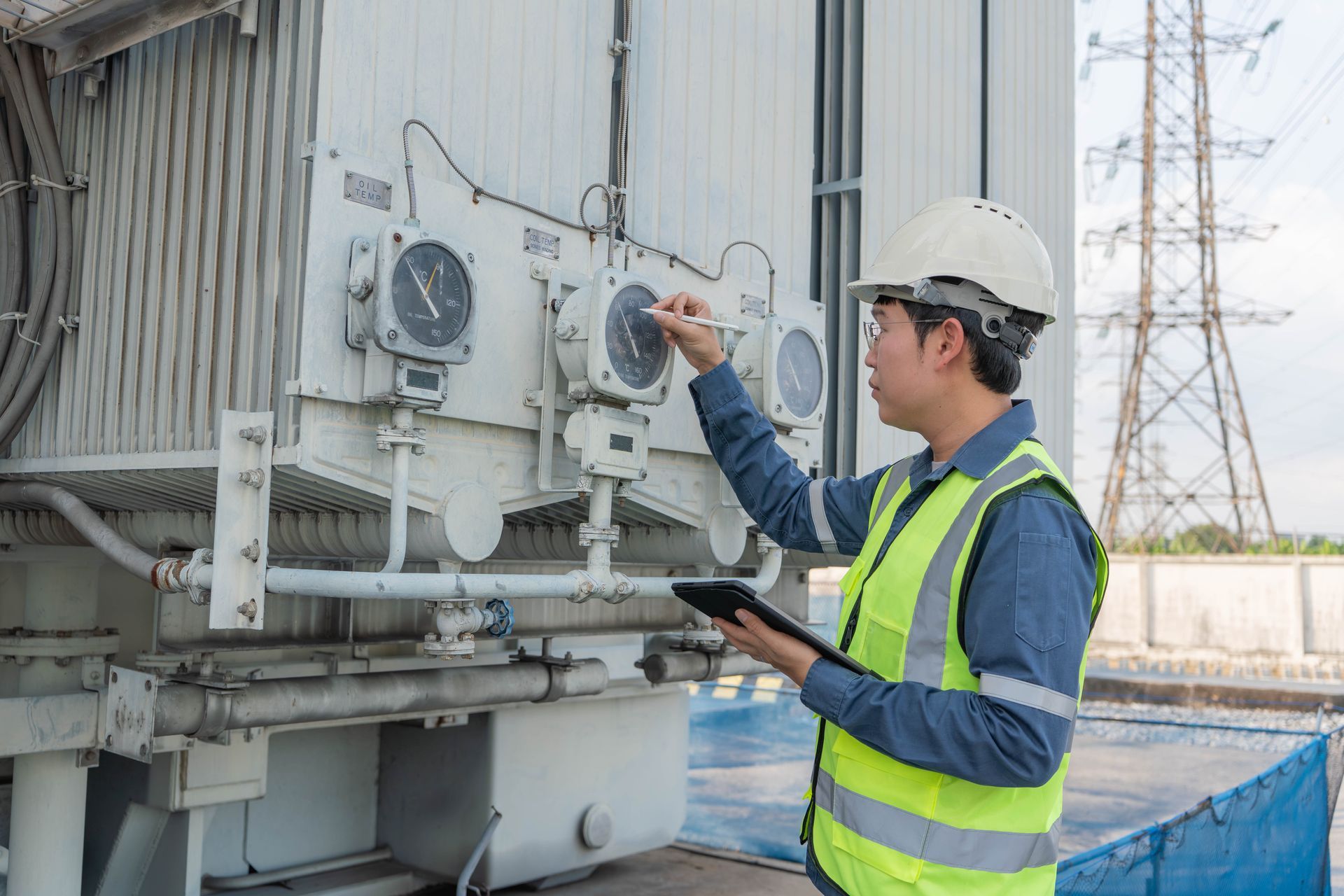
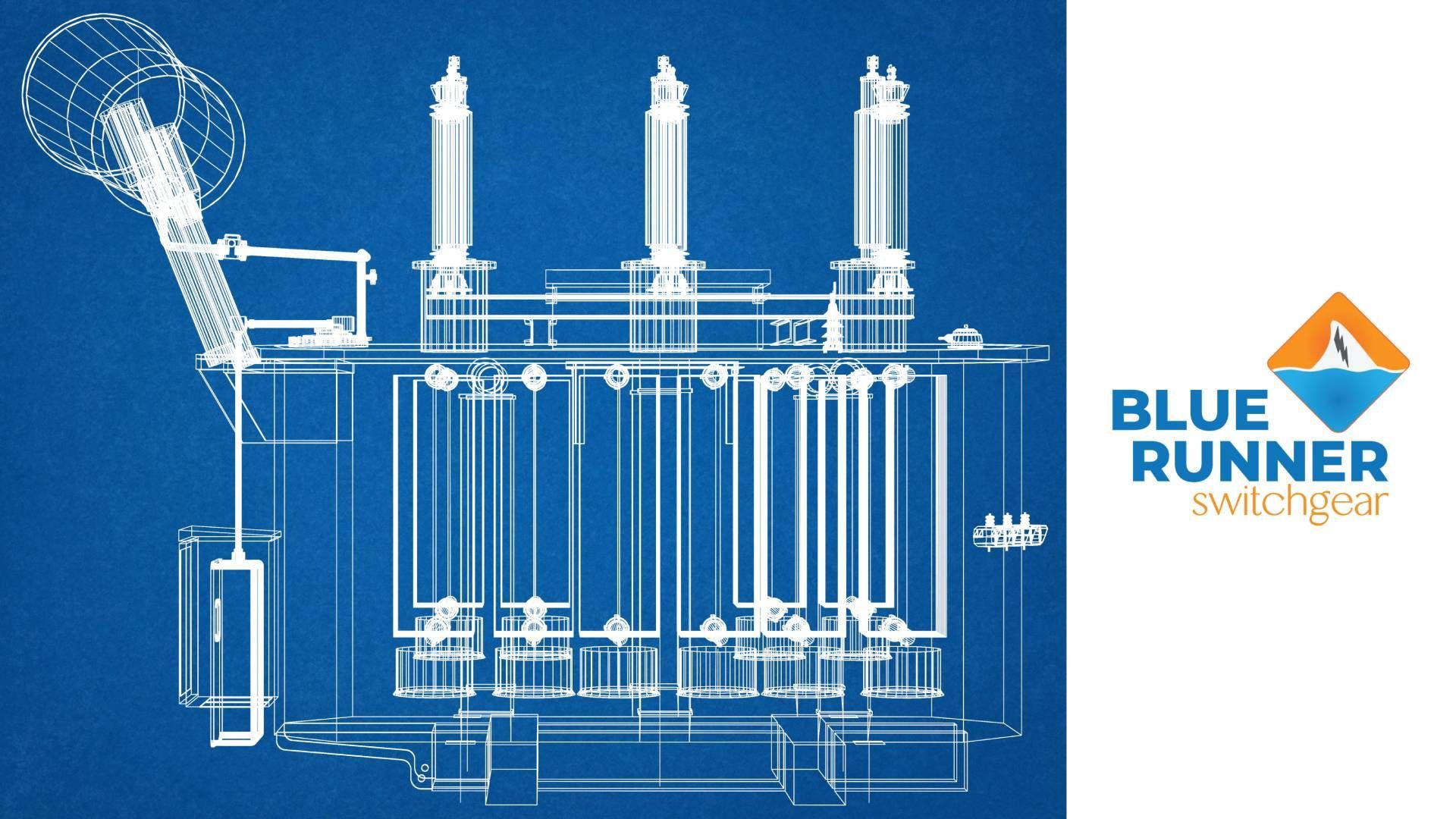
While an electrical substation provides control and routing of power, an electric transformer is a piece of equipment that converts electrical power, stepping voltage up or down. They’re components of electrical substations and can be used elsewhere, as the backbone of any power system.
Electric transformer construction may vary, but they contain primary and secondary coils of wire with different numbers of turns that change the voltage, like from high to low, high to medium, low to high, etc.
Additionally, electric transformers handle immense thermal and electrical stresses almost constantly, making regular testing and maintenance essential for proper performance. And, at Blue Runner Switchgear, we provide NETA-certified transformer testing and repair to keep it all running smoothly.
Taking a Final Look at Substation vs. Transformer
Overall, an electric substation can be an integrated facility or an enclosure within a facility that houses several pieces of equipment, including electric transformers that convert the incoming power to the required voltage and current.
On the other hand, electric transformers are equipment used in substations and in a variety of other places and applications to change incoming voltages.
Find Professional Maintenance for Electric Substations and Transformers With Blue Runner Switchgear
For over 25 years, our experts at Blue Runner Switchgear have provided a wide range of facilities with full-service electrical testing and maintenance. We’ve worked in facilities across industries, including manufacturing, utilities, and healthcare. As a NETA-certified company, we provide unbiased, third-party testing along with a full range of repair services.
Contact us for more information or to set up a regular maintenance program for your facility.
Blue Runner Switchgear is proud to work with clients across the United States.