Grounding Transformers: Why Neutral Grounding Isn't One-Size-Fits-All
Proper grounding is essential for all equipment in any facility, across all industries. Improper grounding isn’t only unsafe for the equipment, leading to dangerous faults and equipment damage, but can also pose serious hazards to those nearby.
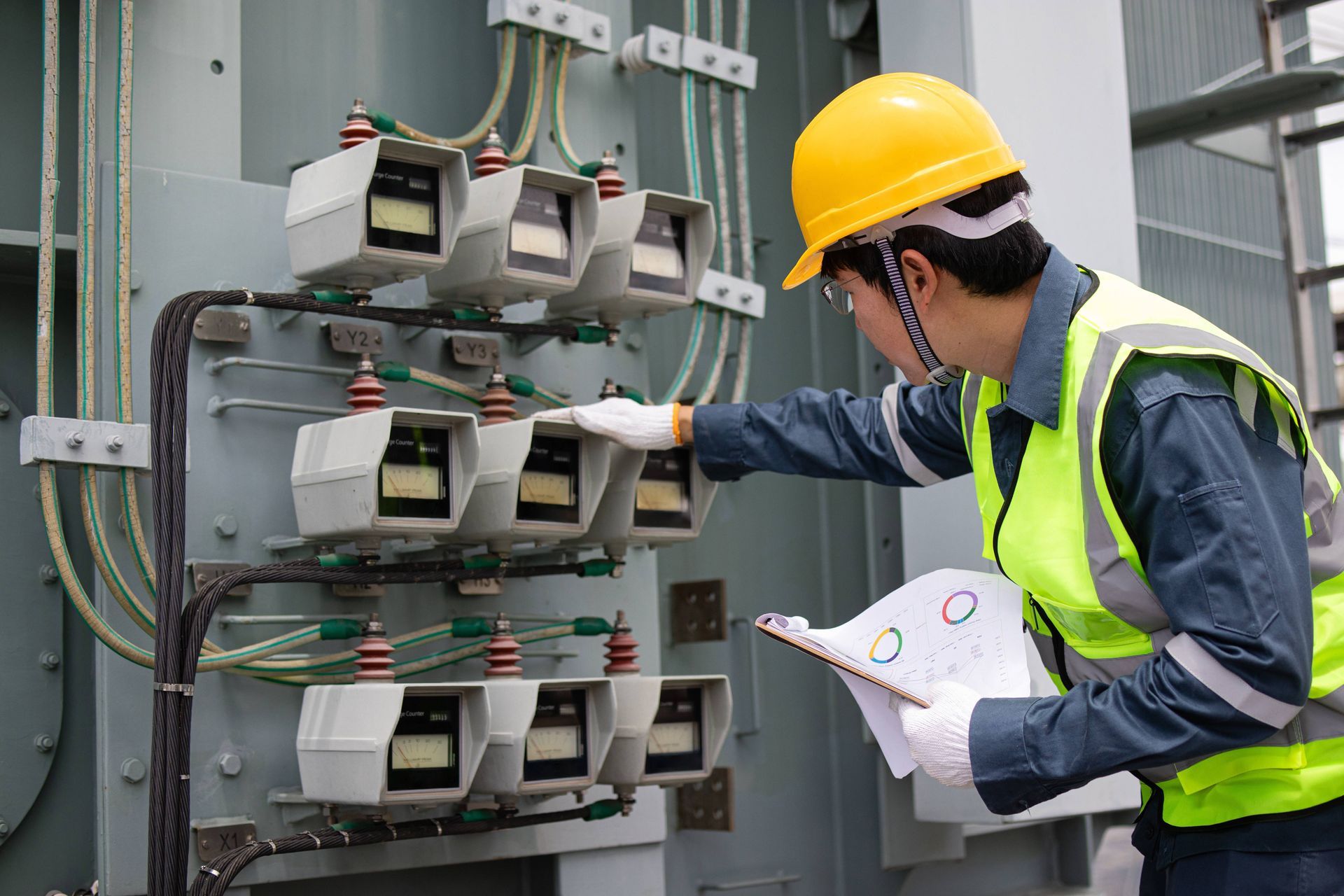
But the exact type and specifics of neutral grounding can depend on each facility's needs and environment to ensure that all equipment and personnel are properly protected. Our team at Blue Runner Switchgear, a fully NETA® certified team, is here to help explain.
Why Choose Neutral Grounding
Most industrial facilities and other plants that require high power throughout rely on three-phase power. A neutral ground within these power setups provides a controlled path for overvoltage that can occur during various events, such as power surges or lightning strikes, allowing them to travel without damaging equipment.
Improper grounding poses a serious health and safety hazard, as any unwanted charges or voltages may damage sensitive equipment, harm those working nearby, and void most manufacturers’ warranties.
Grounding in compliance with the National Fire Protection Association (NFPA) and the Institute of Electrical and Electronics Engineers (IEEE) standards is essential for protecting equipment and personnel and for meeting operational requirements.
What Are Transformer Grounding Strategies?
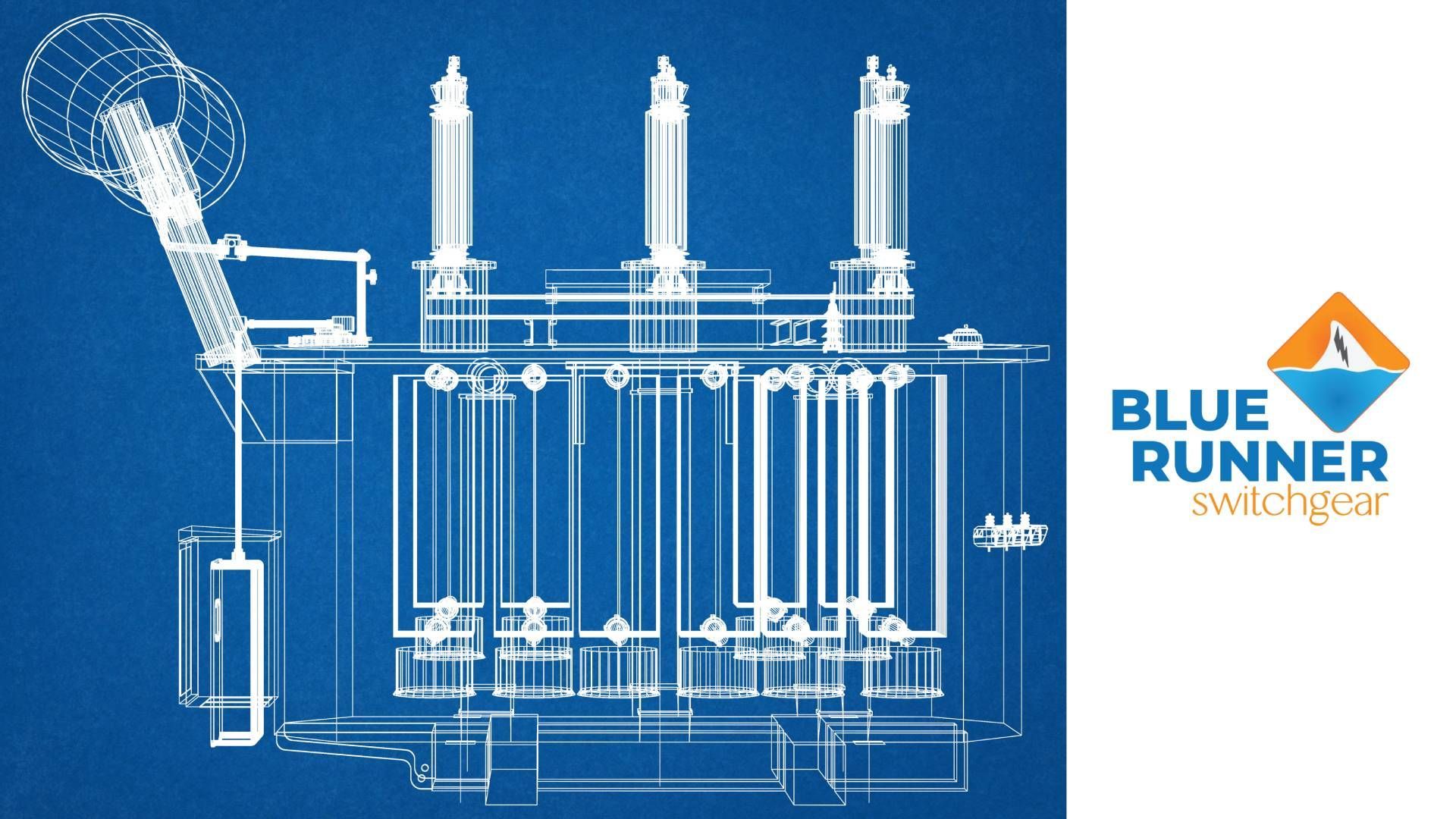
Since modern three-phase power systems typically lack a physical neutral wire, a grounding transformer establishes an artificial neutral point to handle faults safely. But the exact way these transformers are used to create a neutral ground varies depending on the facility's requirements.
Here are three transformer grounding strategies:
1. Solid Grounding
Solid grounding is an effective strategy for low-voltage systems, typically used in public utility distribution or service entrances. IT connects the neutral point directly to earth without any intermediate resistor.
It’s a great strategy for detecting faults immediately, but it may cause high fault currents that often trigger power outages.
2. Low-Resistance Grounding
Low-resistance grounding (LRG) connects the neutral point to earth via a resistor. This strategy limits the grounding fault to a predictable current between 100 and 1000 amps, thus protecting any sensitive equipment without having to deal with a massive amount of current.
This type of grounding is great for medium-voltage systems, but it doesn’t allow operation during a fault.
3. High-Resistance Grounding
High-resistance grounding (HRG) limits ground-fault current to 10 amps or less. This current limit allows for operations to continue even during a fault, preventing disruptions to any facility’s operations.
The current limit is what makes high-resistance grounding the choice for places like healthcare facilities and other situations where shutting down operations isn’t possible. The issue with high-resistance grounding is that it makes fault location difficult and can be used only in certain situations, per electrical code standards.
Find Transformer Grounding and Testing From Blue Runner Switchgear
Ensuring that your facility’s neutral grounding system is properly functioning is critical for the safety and operation. That’s why proper acceptance testing on new equipment and continued testing, monitoring, and maintenance of existing equipment is critical.
With over 25 years of experience working with facilities across industries, Blue Runner Switchgear provides all of the electrical services you need to keep your facility safe and operating smoothly. From transformer testing and repair to relay testing and more, we’re here to help you every step of the way with your power system.
Contact us today to learn more or set up your own regular maintenance program.